Reaching 40 can be a turning point for your fitness journey. While the body’s needs change as we age, that doesn’t mean slowing down; it simply means refining your approach to achieve sustainable health and fitness. Here’s a guide on how to stay strong, energetic, and resilient well into your 40s and beyond.
1. Prioritize Strength Training
Strength training becomes essential after 40, as it helps combat the natural loss of muscle mass associated with aging. Incorporate exercises like deadlifts, squats, lunges, and rows using weights that challenge you. Aiming for two to three days of strength training weekly will support muscle maintenance, bone health, and metabolism. Kettlebell exercises, for instance, offer a full-body workout that boosts muscle endurance and cardiovascular health.
2. Focus on Mobility and Flexibility
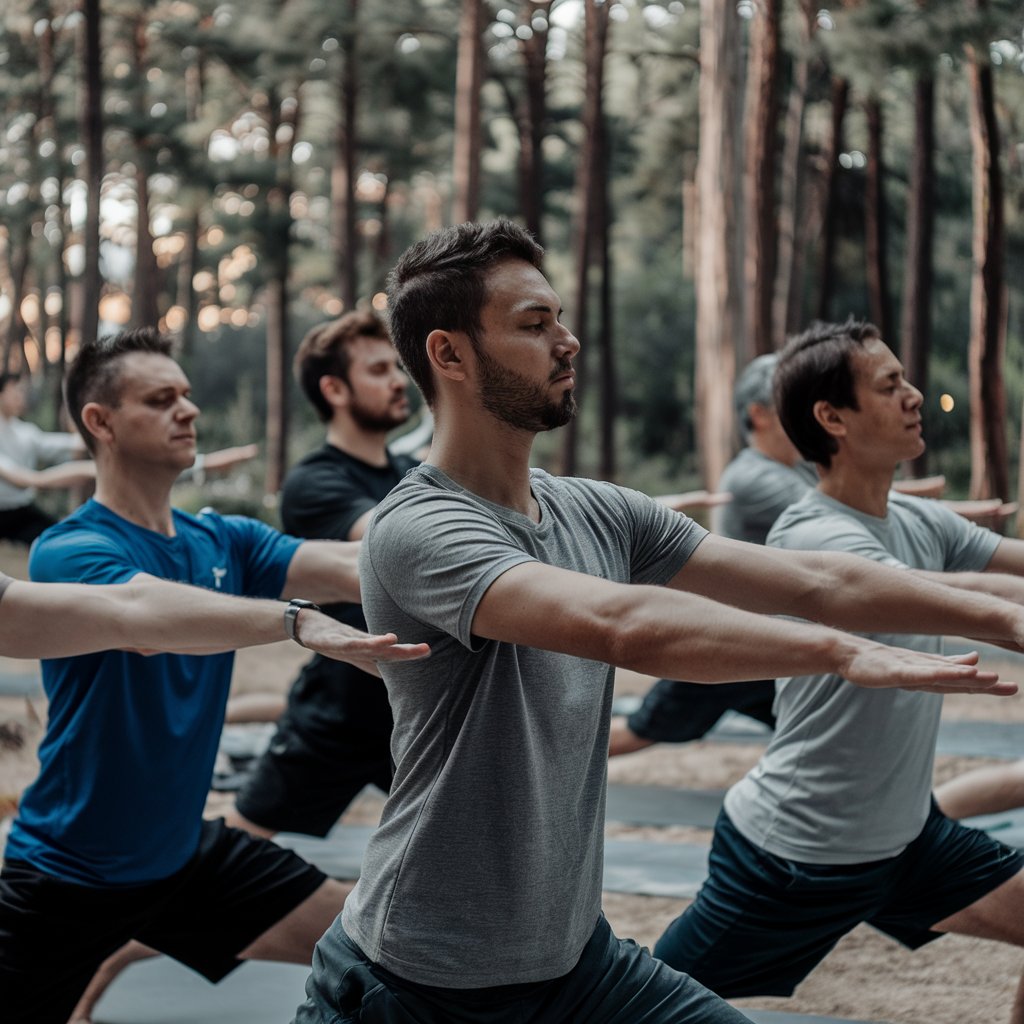
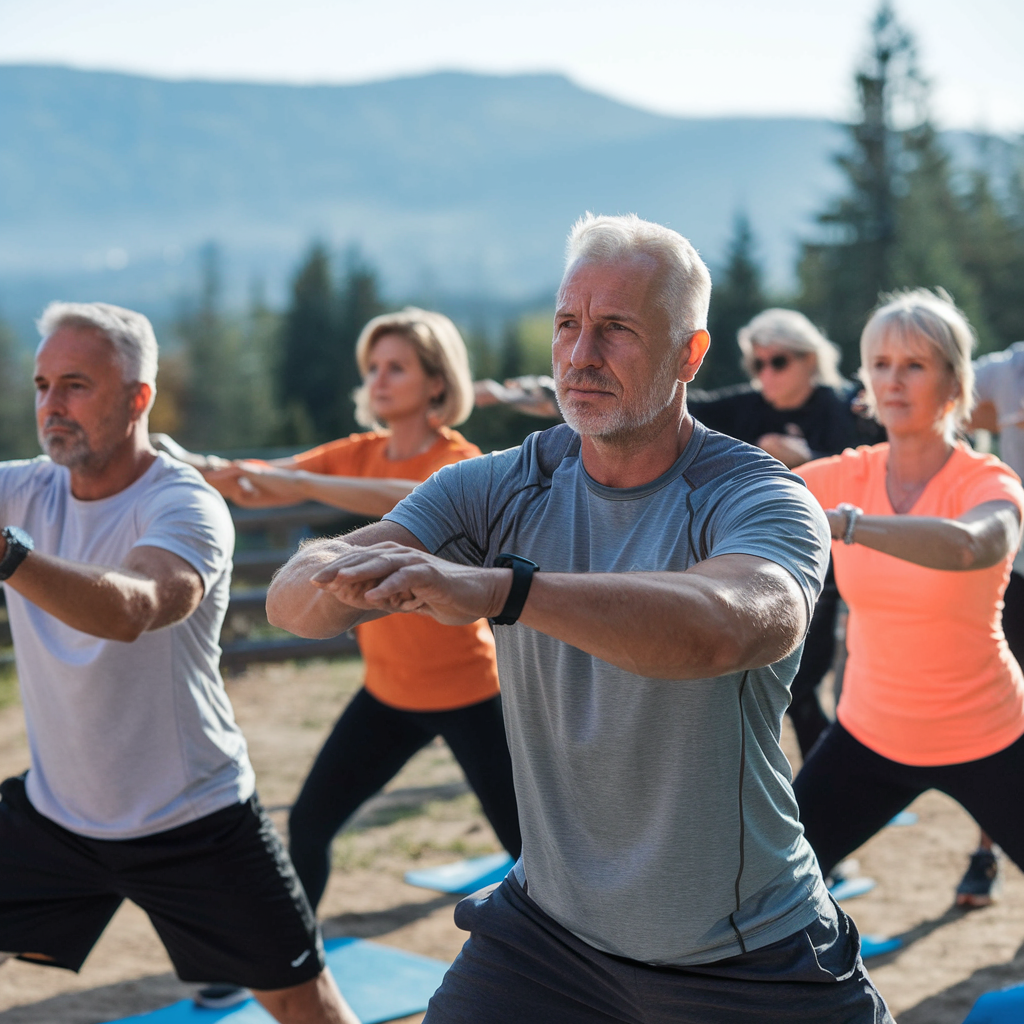
Joints and connective tissues become more prone to stiffness over time, making mobility and flexibility critical. Warm-ups that include dynamic stretching, along with practices like yoga or Pilates, can improve range of motion, reduce injury risk, and ease muscle soreness. Integrate a 10-minute daily stretch routine focusing on areas like the hips, shoulders, and back for maximum benefit.

3. Cardio for Heart Health and Endurance
Cardiovascular exercise remains vital for heart health and overall endurance. Instead of high-impact exercises, which may strain the joints, consider low-impact options like cycling, swimming, or brisk walking. These activities are easier on the body but still effective at burning calories and boosting cardiovascular fitness. Aim for 150 minutes of moderate cardio weekly for optimum results.
4. Nutrition: Fuel and Recovery
Protein intake is crucial as it supports muscle recovery and growth, especially after strength training. Focus on high-quality proteins, healthy fats, and whole carbs. Reducing sugar and processed foods can also help with maintaining energy levels and avoiding weight gain. Hydration is equally essential, as it aids digestion, joint lubrication, and recovery.
5. Listen to Your Body
Fitness after 40 should be a marathon, not a sprint. It’s crucial to pay attention to signals from your body to avoid overtraining. Sufficient rest and recovery are as important as the workouts themselves. A balance of sleep, stress management, and recovery days will make your routine more sustainable and enjoyable.
Embrace these changes, and enjoy the strength, mobility, and energy that comes with maintaining a balanced approach to fitness after 40. With consistency and awareness, your 40s can be your fittest, healthiest decade yet.