As we enter our 40s, fitness goals often shift from simply looking fit to focusing on sustainable strength, mobility, and long-term health. Strength training becomes not just beneficial but essential, offering benefits that go well beyond muscle tone. From increasing bone density to improving metabolism and energy levels, strength training is one of the most effective ways to age gracefully and maintain an active lifestyle.
Why Strength Training?
Our bodies naturally lose muscle mass, a process called sarcopenia, starting around age 30. This loss accelerates as we get older, impacting not just physical performance but overall metabolism and daily function. Regular resistance training can slow or even reverse muscle loss, boosting metabolism and preserving muscle function well into later years.
Strength training also helps protect joint health by strengthening the muscles and connective tissues around joints, reducing the risk of injury. As an added benefit, research shows that strength training improves cognitive function, emotional health, and can even reduce the risk of chronic diseases such as diabetes and osteoporosis.

Key Exercises for Lifelong Strength
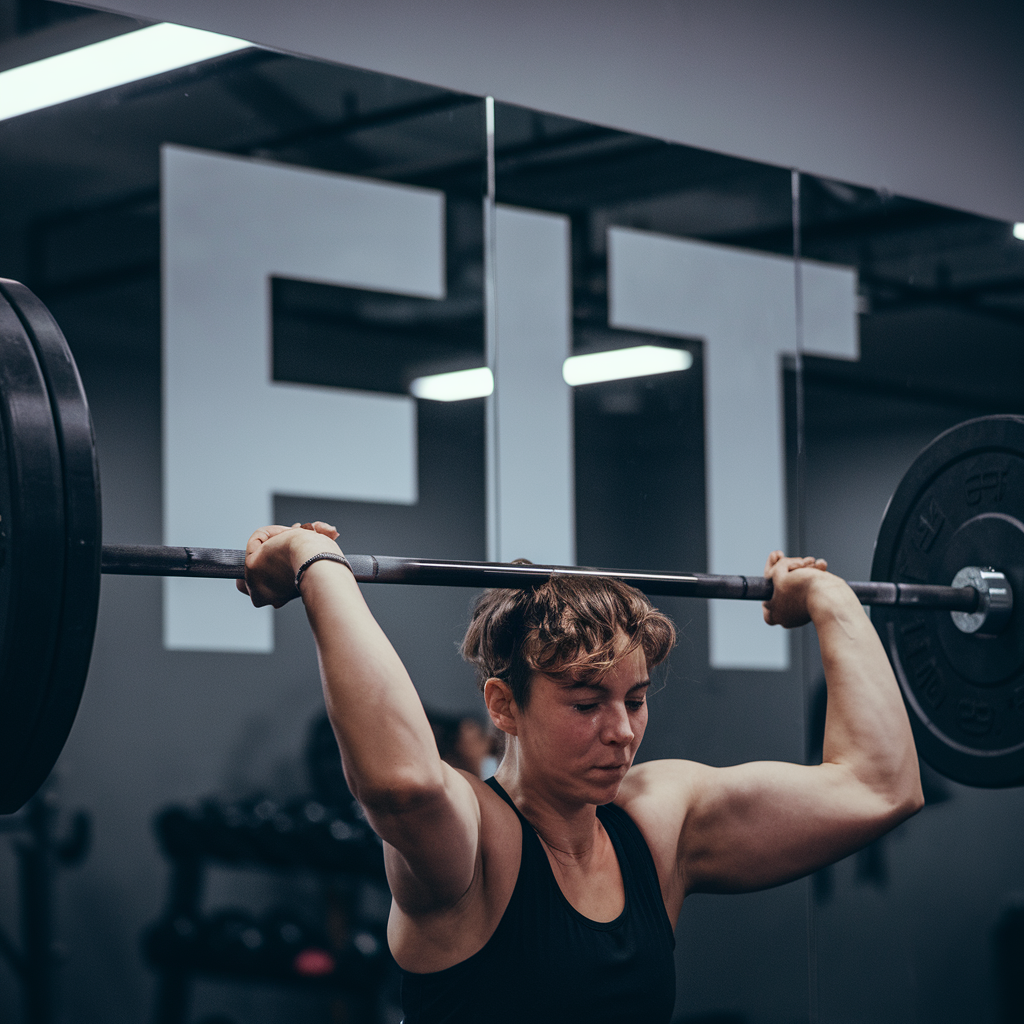
For anyone over 40, a focus on compound, multi-joint movements is key to getting the most out of each session. These exercises work multiple muscle groups at once, providing efficient and functional strength. Here are a few exercises that are highly beneficial for those over 40:
- Squats and Lunges: These movements strengthen the lower body and core, helping maintain stability and balance.
- Deadlifts: Deadlifts target the posterior chain—back, glutes, and hamstrings—promoting good posture and back health.
- Push-Ups and Pull-Ups: These bodyweight exercises build upper body and core strength, ensuring shoulder stability and reducing risk of falls.
- Kettlebell Swings: This dynamic move offers both cardiovascular benefits and strengthens the lower back and core.
Tips for Success
- Focus on Form: Perfecting form is critical to avoid injury. If needed, work with a trainer to nail down proper techniques.
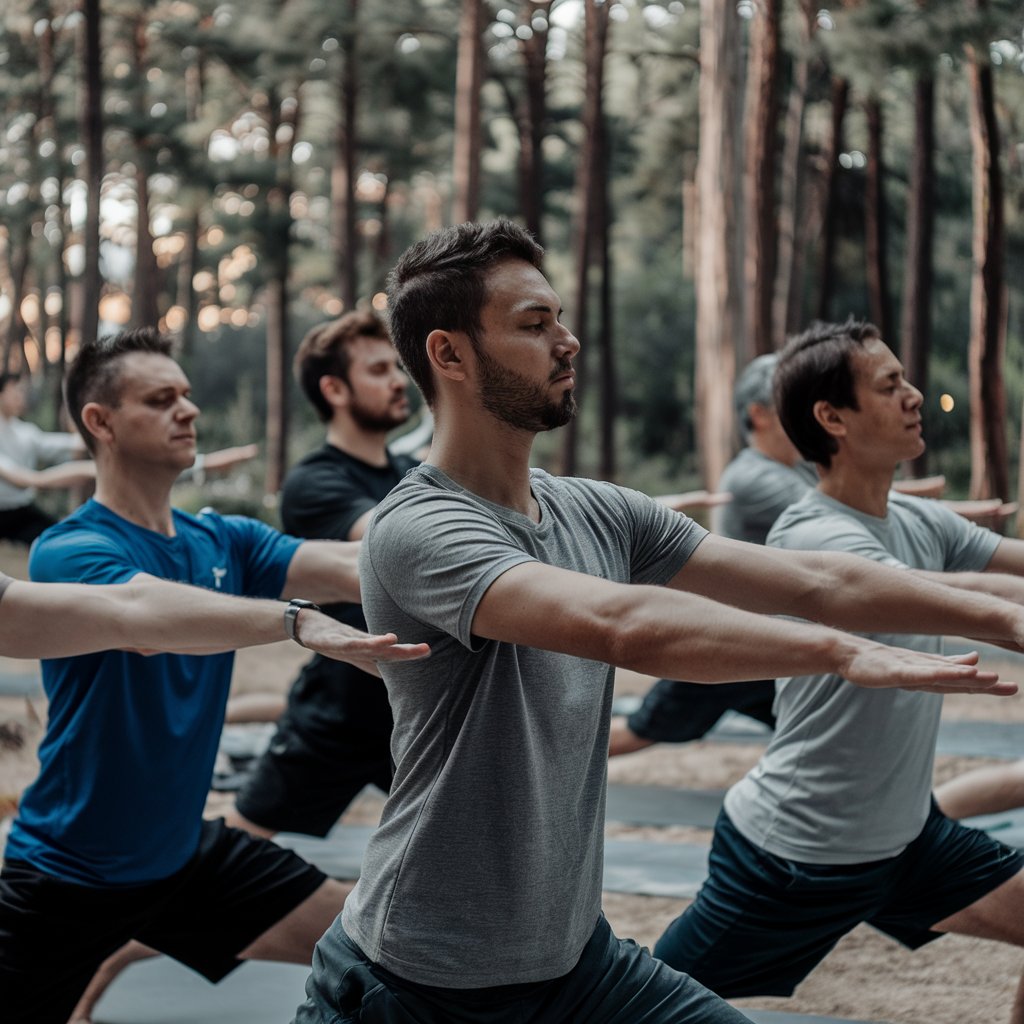
- Prioritize Recovery: Our bodies take longer to recover as we age, so incorporate rest days and consider stretching or yoga for flexibility.
- Set Sustainable Goals: Strength training is a marathon, not a sprint. Aim for 2-3 sessions per week, allowing time for rest and recovery.
By embracing strength training as part of your routine, you can enjoy greater energy, mobility, and resilience. Fitness after 40 doesn’t mean slowing down—it means training smarter and preparing for a vibrant, active life well into the years ahead.