Why Protein is Important After 40
Around age 40, natural muscle mass begins to decline due to a process called sarcopenia. Increased protein intake can slow this loss, making it easier to stay active, prevent injuries, and maintain strength. Protein also aids in stabilizing energy levels and supporting muscle recovery—key benefits as physical needs evolve with age.
How Much Protein Do You Need?
For optimal health, men over 40 should aim for 1.2 to 1.6 grams of protein per kilogram of body weight per day. For example, if you weigh 80 kg (about 176 lbs), your target would be 96 to 128 grams daily. Higher intake can be particularly beneficial for those who strength train regularly.
Best Sources of Protein
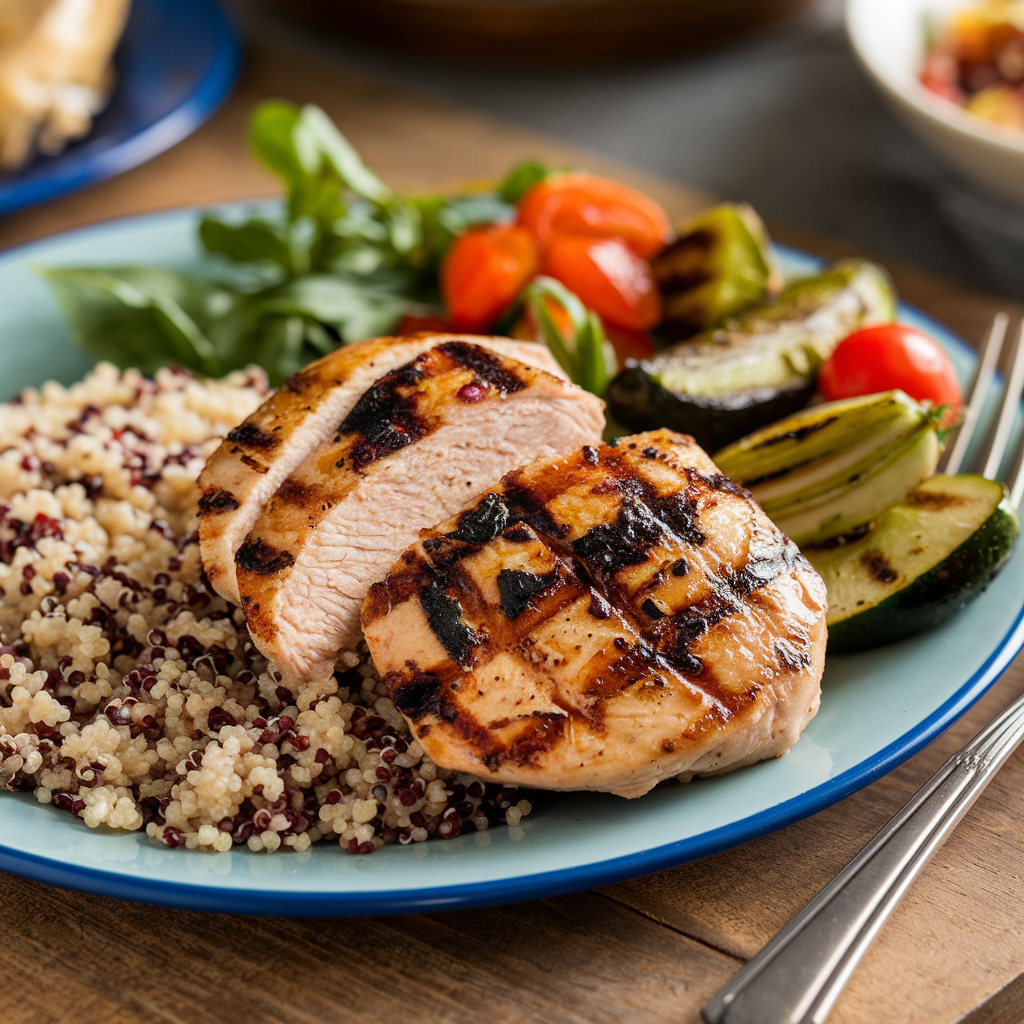
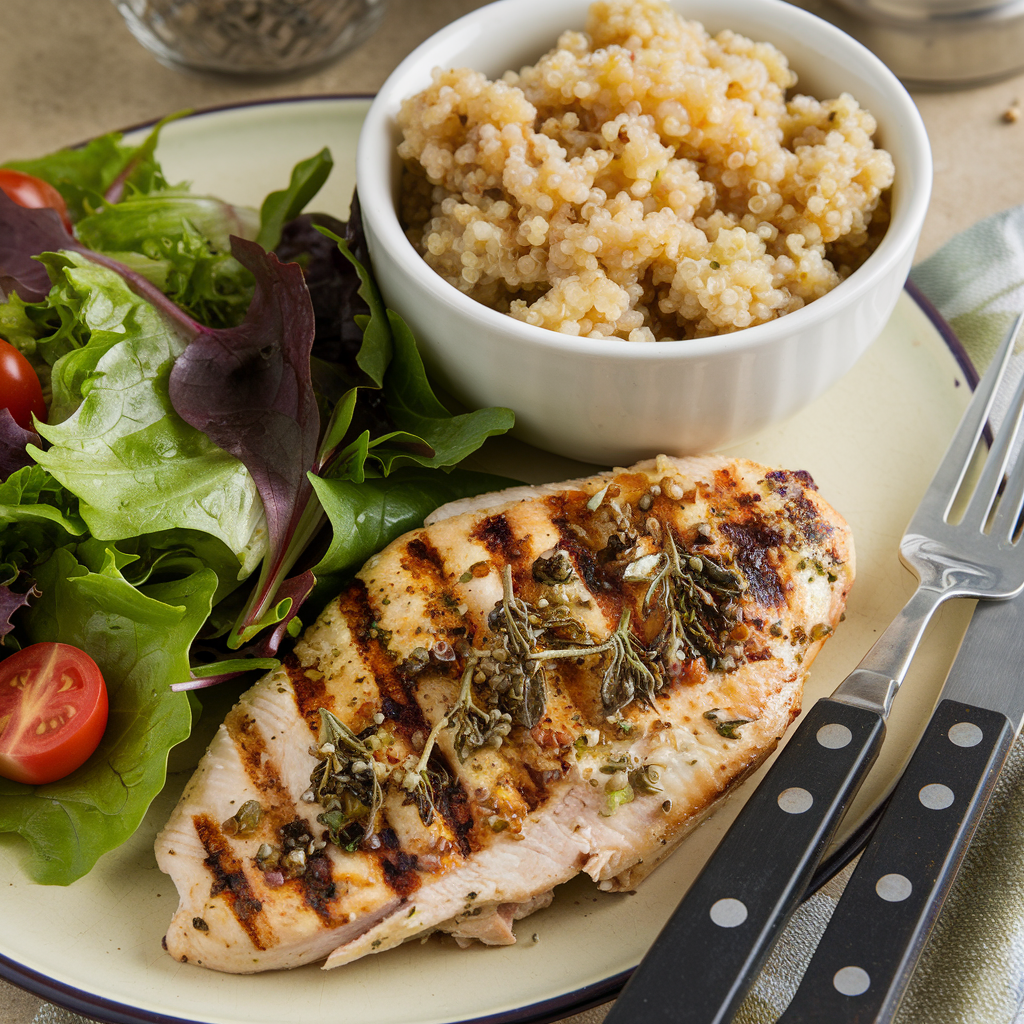
1. Lean Meats: Chicken, turkey, lean beef, and pork provide high-quality protein with minimal fat.
2. Fish: Salmon, tuna, and trout are protein-rich and contain heart-healthy omega-3 fatty acids.
3. Eggs: A versatile, complete protein source, great for breakfast or snacks.
4. Greek Yogurt: High in protein and low in sugar, it’s perfect for meals or post-workout.
5. Legumes and Beans: Lentils, chickpeas, and black beans offer plant-based protein and fiber.
6. Protein Powders: Whey or plant-based powders make it easier to reach protein goals, especially for muscle recovery after workouts.
Timing and Distribution
For best results, spread protein intake throughout the day rather than loading it all in one meal. Aim for around 20-30 grams per meal to maximize muscle synthesis and sustain energy.
Pairing Protein with Exercise
Pairing protein with regular exercise, particularly strength training two to three times per week, is essential for muscle preservation. Have a protein-rich snack or meal post-workout to support recovery and maintain lean muscle mass.
Conclusion
For men over 40, prioritizing protein can promote strength, energy, and overall vitality. Choose quality sources, maintain balanced intake throughout the day, and pair with consistent exercise to make the most of your protein strategy.